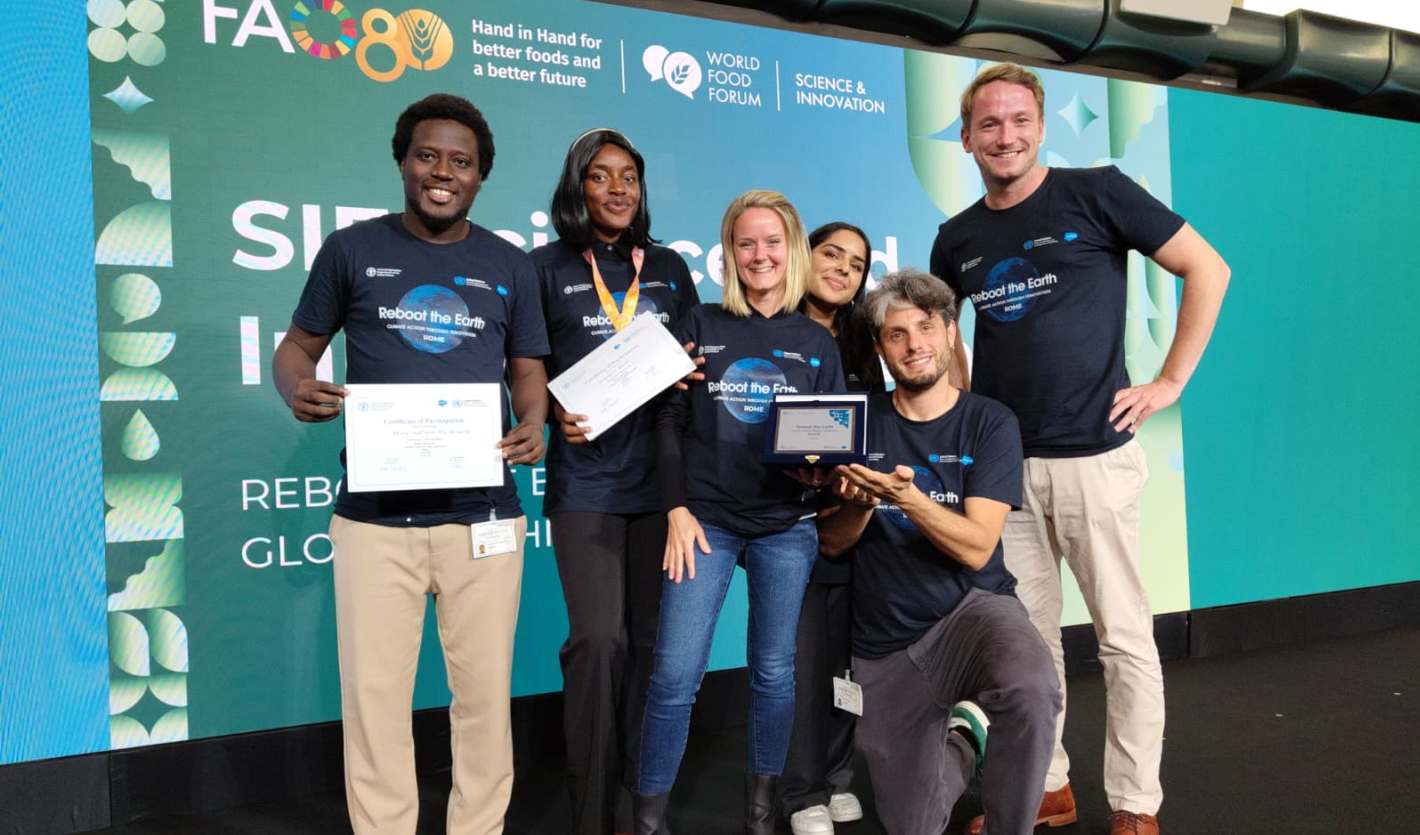
On October 13, 2025, the "Reboot the Earth" Hackathon took place at the FAO headquarters in Rome. This international 48-hour challenge, first launched in 2019, invites innovators to develop tech-driven solutions to combat climate change and promote environmental sustainability.
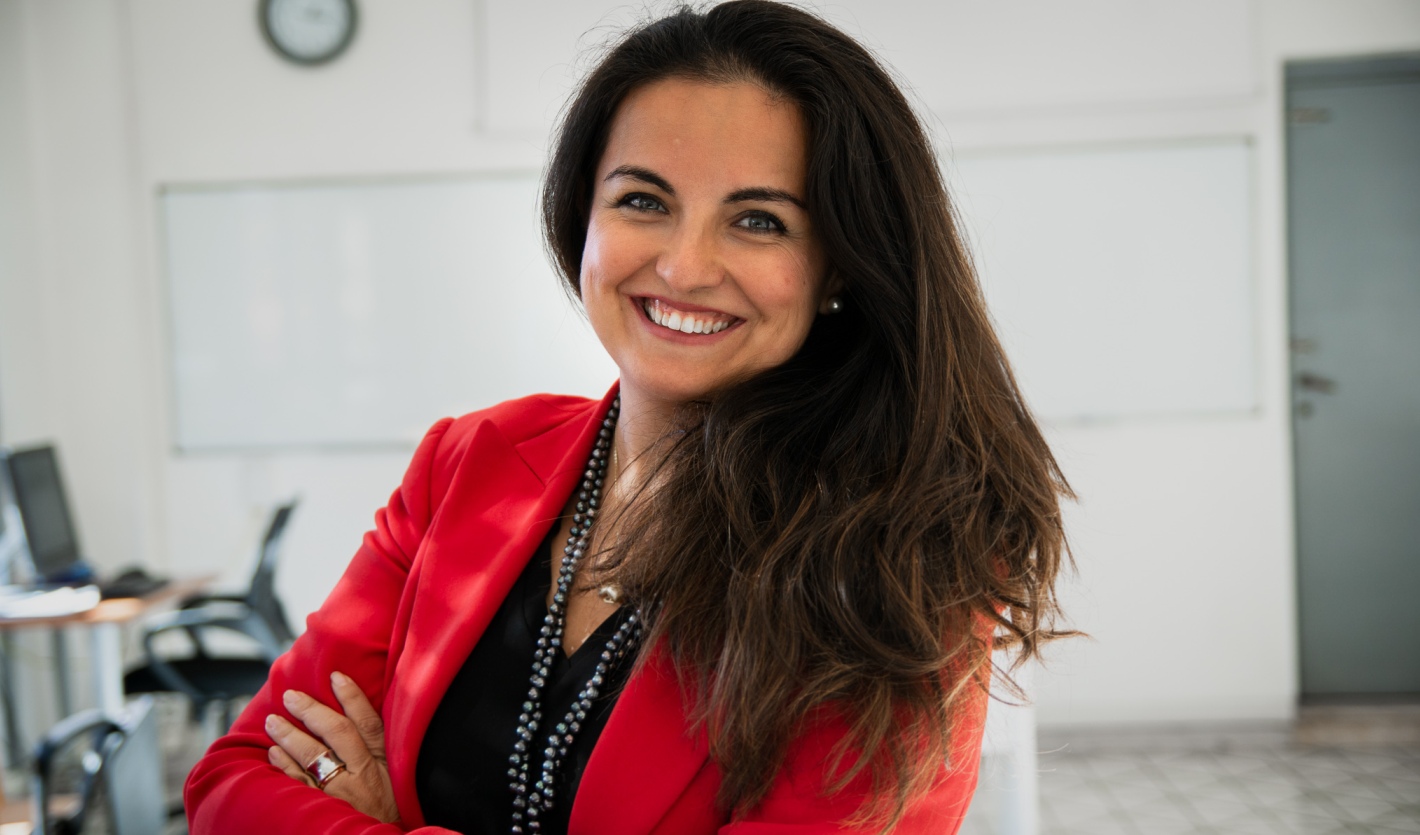
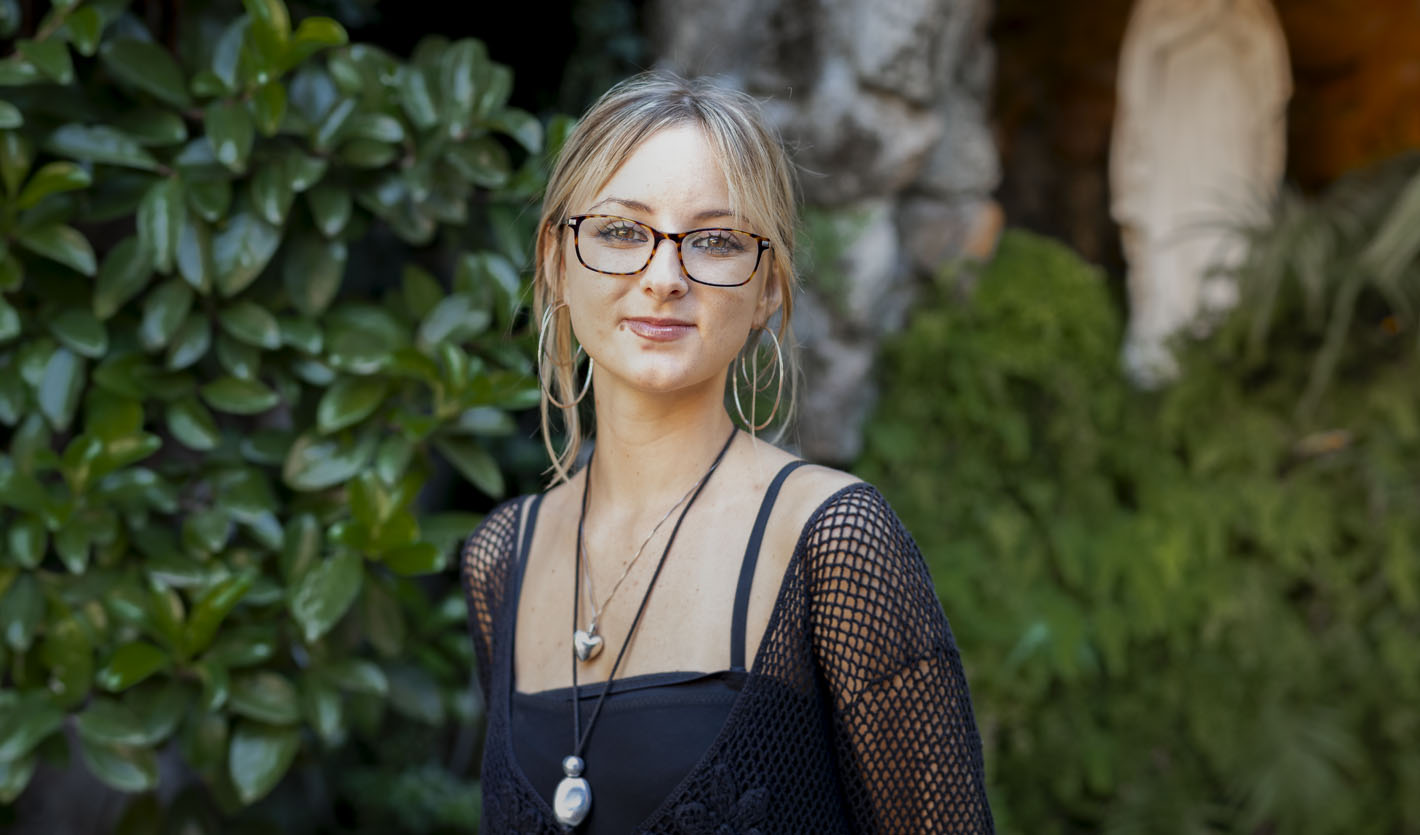
Professor Marco Pascucci from JCU’s Department of Mathematics and Computer Science participated in the event and his team earned second place. Their project proposed a mobile application for land suitability analysis and climate-smart crop/variety recommendations, leveraging AI to support sustainable agriculture and climate resilience.
The hackathon was part of the 2025 World Food Forum (WFF), FAO’s global platform that empowers youth and innovators to transform agrifood systems for a sustainable future. The hackathon brought together around 40 participants from Europe, the Americas, India, and Africa, including students and young professionals. Working in diverse, multidisciplinary teams, they collaborated for over 48 hours to pitch their innovative ideas.
The idea presented by the JCU team was called "Field Advisor app," a voice-powered AI assistant that helps farmers make smarter and climate-resilient decisions. Using a Retrieval-Augmented Generation (RAG) model, it would deliver hyper-local agronomic advice on crop choice, soil health, and pest or disease management through a simple conversation on any mobile device. The system would continuously learn from farmer interactions, combining scientific data with local knowledge to provide personalized, practical guidance, bridging technology and tradition to boost productivity and sustainability in agriculture.
Participating in events like "Reboot the Earth" offers students an invaluable educational experience that goes far beyond the classroom. These hackathons immerse them in real-world problem solving, where they apply their academic knowledge to global challenges such as climate change and food security. By collaborating in diverse, international teams, students develop critical skills in innovation, communication, and interdisciplinary thinking. Moreover, they learn how technology and creativity can be combined to drive meaningful and sustainable changes in society.