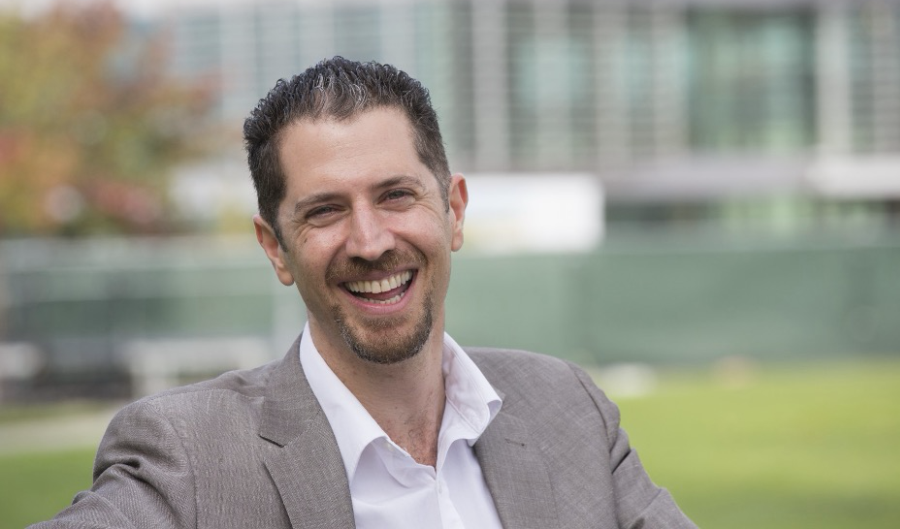
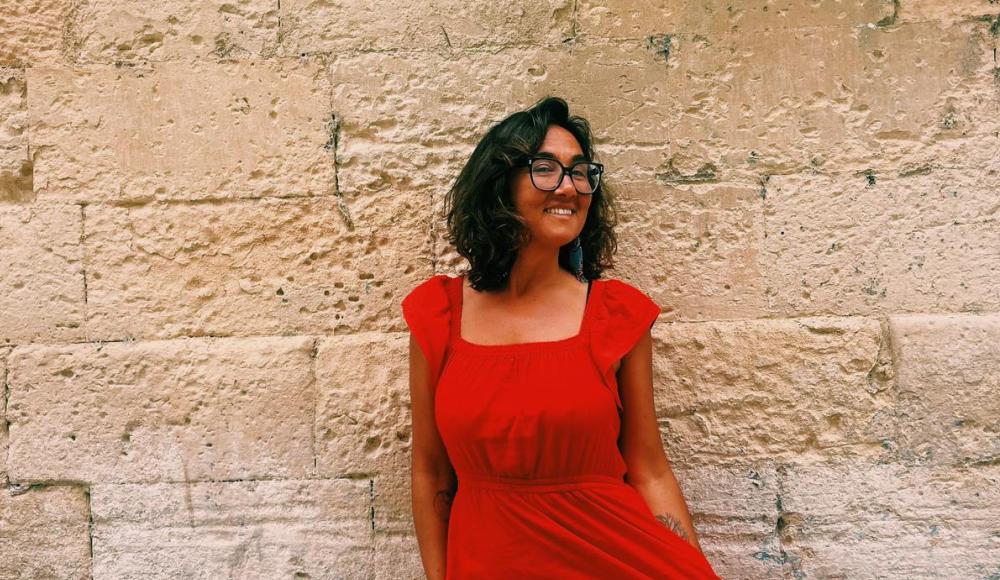
Professor Ibrahim Al-Marashi was born and raised in California, but he has roots in both Iran and Iraq. He has been a visiting professor at John Cabot University since 2013. At JCU, he teaches Italy and the Middle East during the first summer session.
Where did your passion for history and the Middle East originate?
I was born in the US, and I grew up in Monterey, California. My family is from Iraq and Iran. Because of my family’s Iranian connections, they were exiled from Iraq. It was quite dangerous being of Iranian origin in Iraq under the regime of Saddam Hussein, especially during the Iran-Iraq War. That's why those conflicts hit particularly hard for me, and it also explains my academic interests.
In Monterey, I lived with my family in Trapani Circle, and the whole area had places named after Sicilian landmarks, such as San Vito Street, Marsala Circle, Mount Etna Street, and so on. I eventually discovered that the whole neighborhood was founded by fishermen from Sicily. Growing up, I was always interested in the Middle Eastern influences present in Sicilian culture. When I started researching, I found out that it was much more than I could ever have imagined. The influence extended throughout Italy, and that’s when I became interested in researching the connections between Italy and the Middle East.
I usually teach at the University of San Diego in California, but I have always wanted to teach my class in Italy itself, because there isn’t as much interest in the US. So, back in 2012, I sent an email directly to Vice President of Academics Mary Merva to tell her I would be available for a meeting in Rome. We had a discussion at a cafe in the Termini train station, and by 2013, she had helped establish the course for me. I’ve been teaching here for more than a decade.
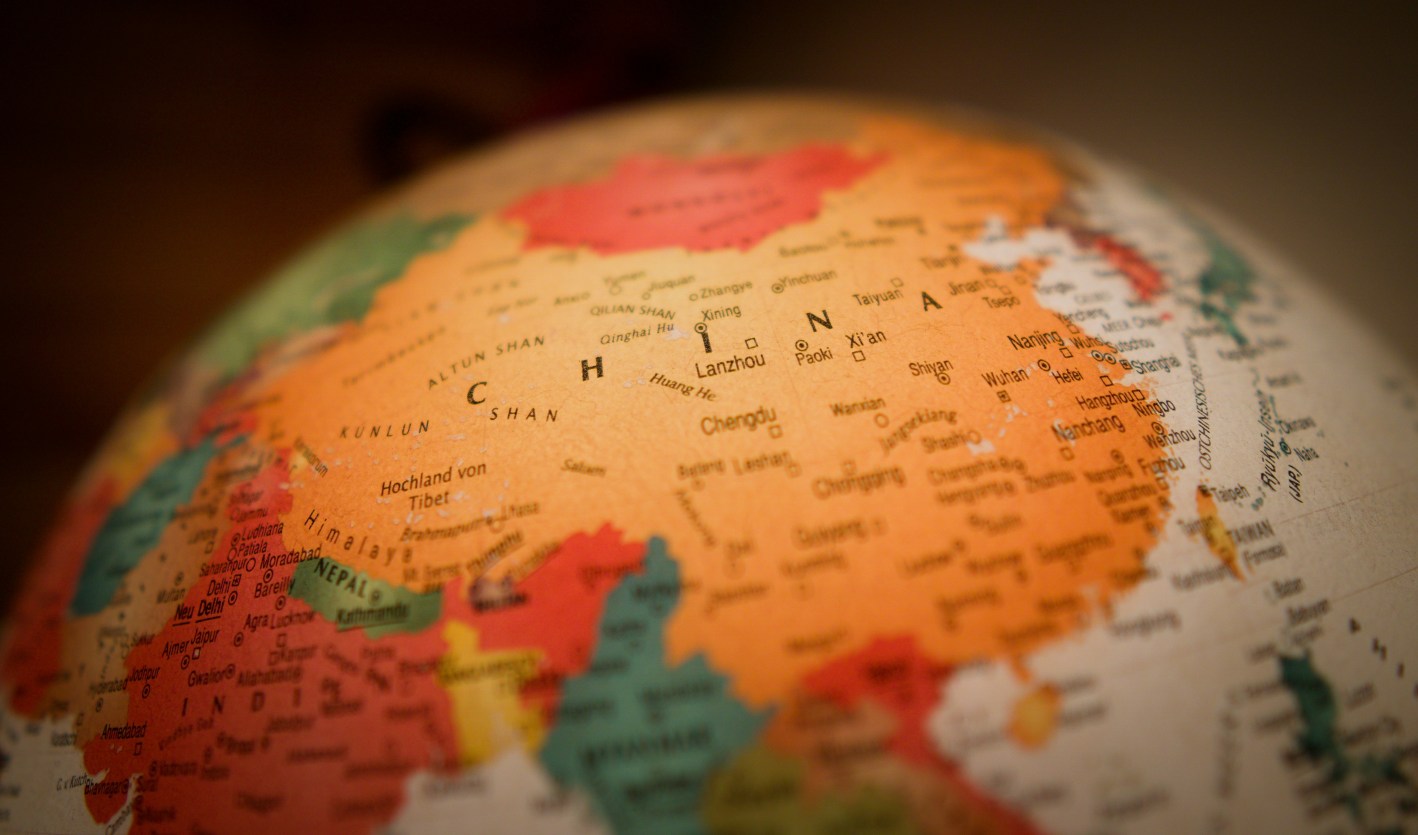
You are an expert on all things Middle Eastern, particularly Iran and Iraq. What is the relationship between these two countries and the West, especially Italy?
The Roman Empire is often regarded as the cradle of Western civilization, but we forget that some of its most illustrious figures came from what is today North Africa and the Middle East. They would have been considered barbarians. The entire Severus dynasty was from Libya, there was a Roman emperor named Philip the Arab, and the architect of the Pantheon was the Syrian architect Apollodorus. Finally, let's not forget the continuous wars between Rome and the Persian Empire.
Even though that seems long ago, during the recent conflict, the Iranian side was referring to the last war Iran had with the Roman Empire, and how they defeated Rome, claiming victory against the "new Roman emperor," referring to Trump. So, history runs deep. I find it fascinating; it's not only in the architecture and archaeology that remains, like Roman ruins in Libya. You also find it in the stories people tell, in the memories that are kept alive.
What are your views on the representation of Islam in today's media?
There's this notion that there's a hard border between Western civilization and the Islamic world. But from what we see, these cultures are fluid. The Mediterranean Sea doesn't recognize hard borders. Whether it's the numerals that Italian mathematician Leonardo Fibonacci encountered when he went on a trip to Algiers, giving us the ability to use Arabic numerals today, or the wealth of Venice that was made from trading with the East, the distortion of history is caused by a lack of education.
I'll never forget when I was here last summer, and the Twelve-Day War with Iran happened. I was so happy that I was in Rome instead of the US; instead of the more aggressive nationalism I would likely have encountered in the US, in Rome, at least, there is a memory of the past wars in the Middle East. Not only that: a campus like JCU is a microcosm. You have the warping in the media, and then you have the lived experiences on campuses like this, where all of Italy, particularly the South, and the Middle East come together, where those divisions largely disappear. I think that it’s important that education brings together people who would otherwise be divided by borders.
I noticed that every person from the Middle East ends up feeling at home in Rome, and I think that says a lot. They see their cultures here, and I think that testifies to the way the cultures come together on campuses like this.
One thing that gave me hope when the war with Iran started was that JCU already had a class on Iran. No American campus has courses devoted to a country like Iran. John Cabot is far more forward-thinking than a good number of universities in the US.
How would you describe your teaching style, and what is the main takeaway from your courses?
The teaching style here is very different because the classes are so small. Some of my classes in the US have as many as 120 students, and the smallest would be about 40 students. Whereas here, I could have anywhere from two to 20 students, so there's always room for discussion. I sit and have a conversation with students. I'm not simply lecturing them; it's a back-and-forth.
I'm happy to have that kind of bond with students. When I teach in the US, there's so much distance. It’s just impossible to get that kind of positive feedback. You can never make that many people happy in the US, whereas here I think it says a lot that students will say, "I only have him for the summer, but he's my favorite professor." That means a lot to me. My entire academic year builds up to these five weeks in the summer. This is what keeps me sane!
Since you started teaching here, have you seen a shift in the political perception of your students, one way or another?
Students at JCU have always been a cosmopolitan group of knowledge seekers. It's quite surprising to see Americans pursuing their degree here; they are very different from students who, for example, only come here for the summer and then go back home.
One benefit of teaching here is that, when I teach about the Middle East, I can ask a student and have them talk about the situation back home.
For example, I teach a class on media in the Arab world right now, and two of my students are Americans, but they’ve been to Cairo, and they have Egyptian friends. They helped establish the Arab Student Association. That has been the case since the first time I set foot on this campus in 2013. What really surprises me is how easily students from Italy or the US form deep bonds with their Middle Eastern classmates. That's something that should really be acknowledged. The FAO gets all the attention, but the JCU campus is like a mini-UN!
Italy is embedded in a cosmopolitan Mediterranean culture shaped by thousands of years of history. Even when a conservative government is in power, that cultural fabric remains and cannot be taken away or denied.