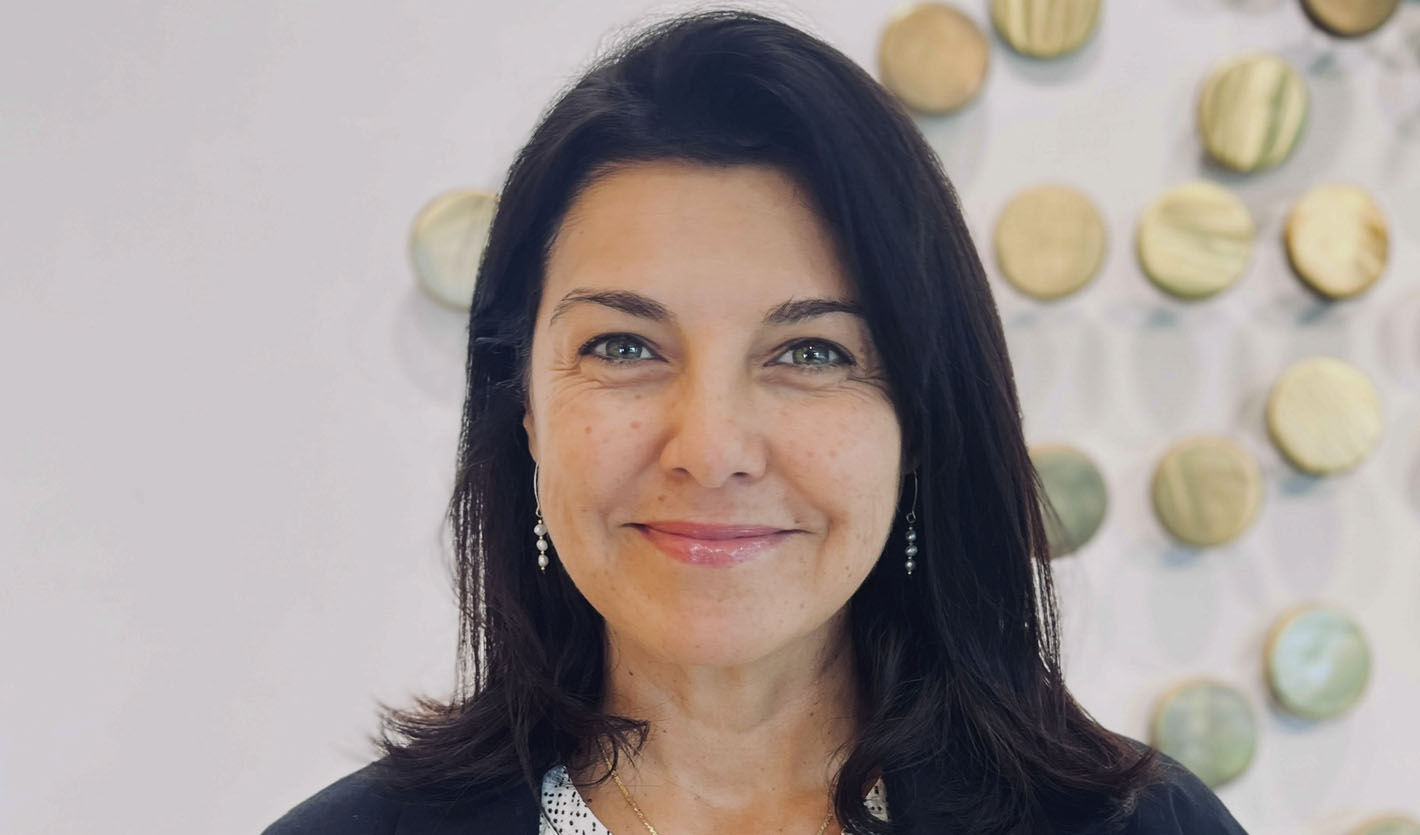
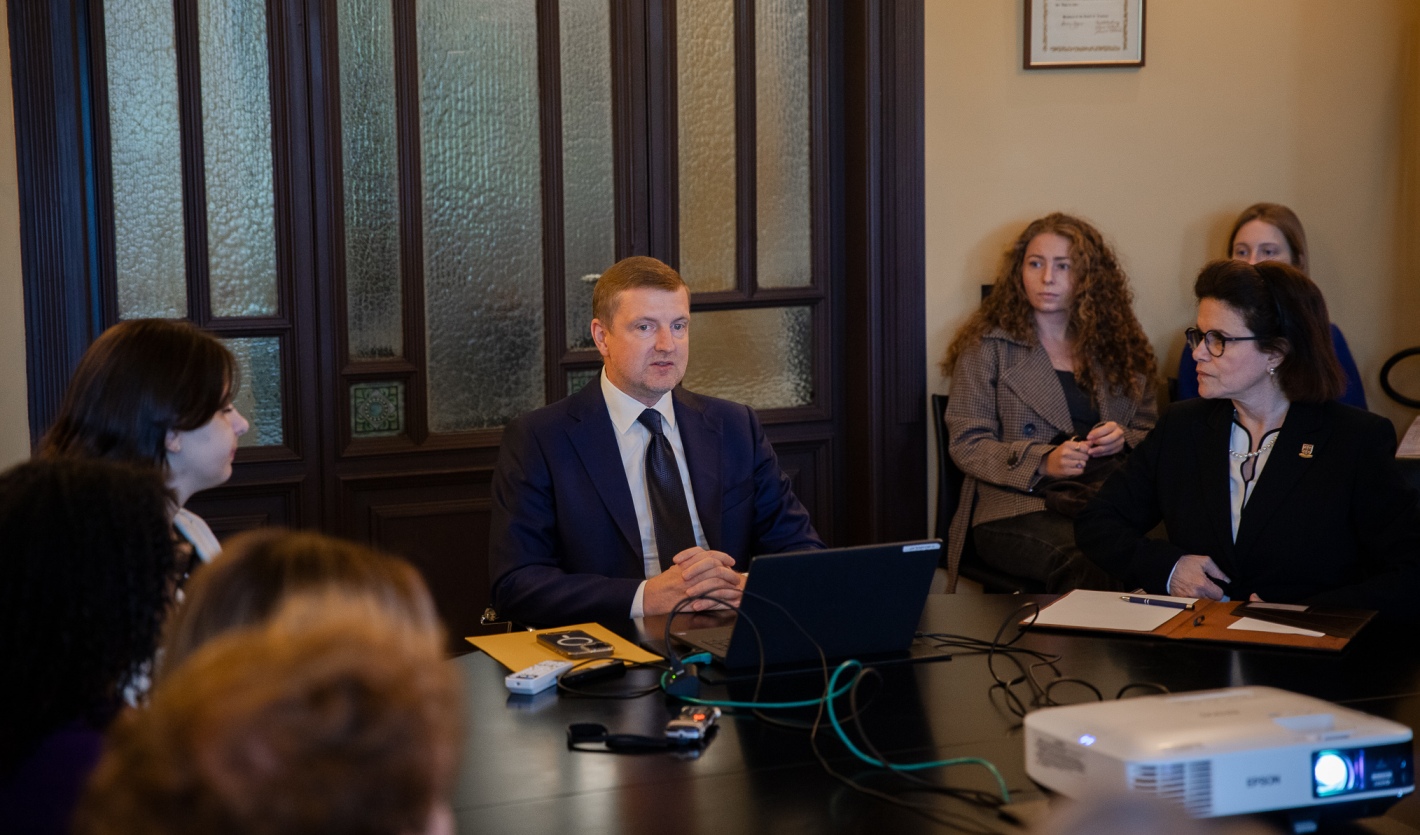
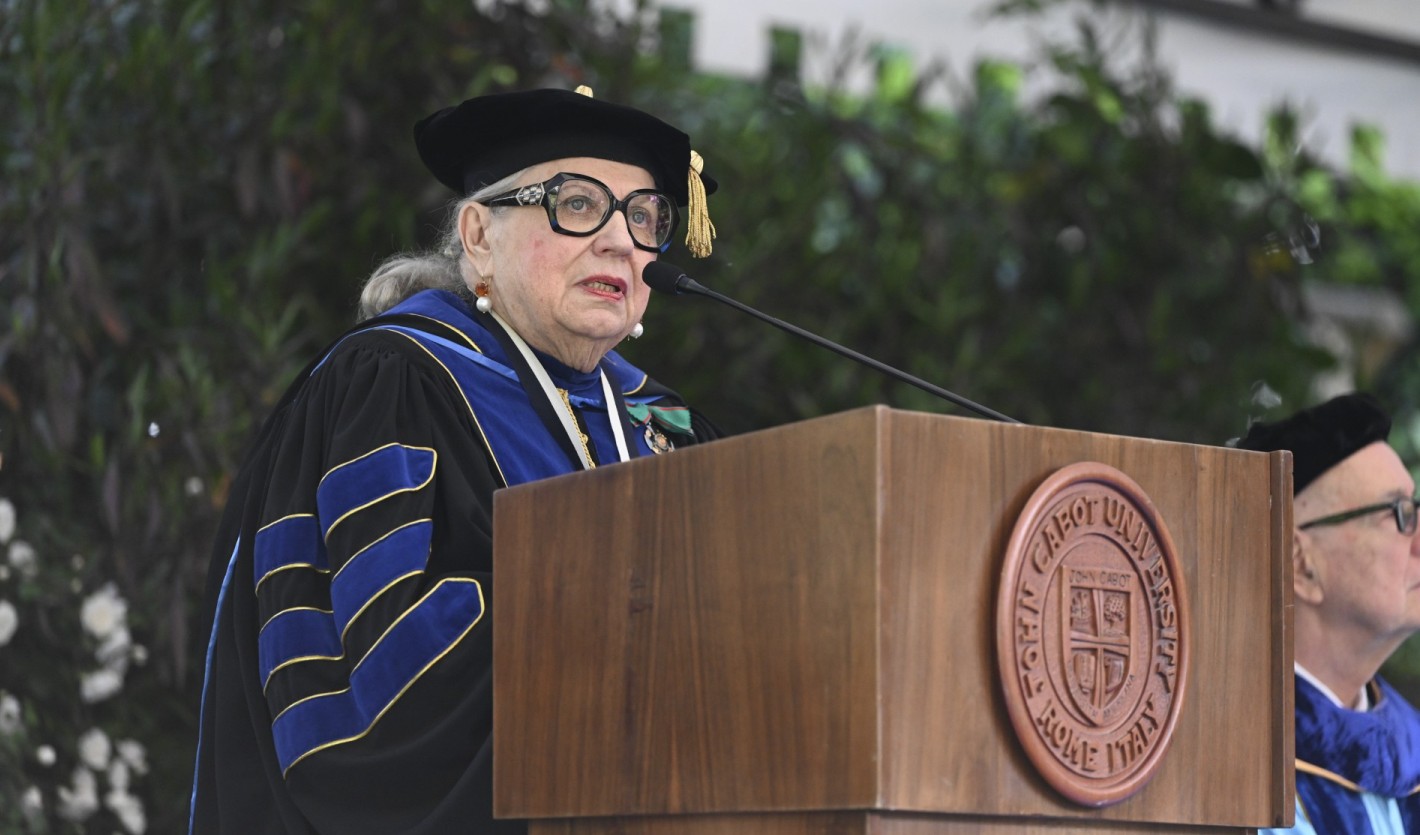
Professor Sara Moussavi teaches in the Political Science and International Affairs department at JCU. She has an extensive background in humanitarian and development work and has served in crises across the world for over twenty years. In this interview, she explains her motivation for working in international development and what led her to become a professor.
Tell us about your background.
I was born in Iran and raised in the U.S. I studied agronomy as an undergraduate, upon graduation, joined the US Peace Corps in the Dominican Republic, and also served as a Crisis Corps Volunteer in Nicaragua.
I later pursued a master's degree in anthropology and focused on enhancing my research skills, both in qualitative and quantitative analysis. My master’s research centered on the relationship between food security and AIDS in Southern Africa during 2002-2004 drought crisis.
My latest academic endeavor was at Johns Hopkins University School of Advanced International Studies, where I have recently completed a doctorate in international affairs. My research is focused on the relationship between economic sanctions and humanitarian consequences.
I started my career as an intern with the UN World Food Programme, was hired as a consultant, and deployed to Sudan during the Darfur crisis in 2005. Over the past two decades, I have held many positions at the WFP and served in Somalia, South Sudan, Pakistan, Iraq, Nepal, the Philippines, Cameroon, and Ukraine at the start of the invasion. In HQ, I have been leading research and learning initiatives related to food security analysis and programmatic response.
How are you finding your time at JCU?
I started teaching at JCU in the Fall of 2025, teaching International Development and Humanitarian Response, From Theory to Action, and this semester I am teaching International Political Economy. It is a pleasure to be part of the JCU community - the professors, staff, and students are all very impressive.
What is your teaching philosophy? What do you hope your students take away from your classes?
My teaching philosophy centers on connecting theory to practice. I believe students learn best when abstract concepts are grounded in real-world contexts, particularly the political, economic, and development challenges shaping the Global South. Rather than treating theory as something separate from lived realities, I aim to use it as a lens through which students can better understand current events and structural dynamics.
Ultimately, I hope students leave my courses with three things: a strong conceptual foundation, the ability to critically analyze real-world developments, and a deeper appreciation for the complexities and agency of countries and communities in the Global South.
Based on your doctoral research and professional experience, what are the biggest challenges to addressing food security in countries affected by sanctions?
The greatest challenge across sanctioned countries is their inability to access food (and other essential needs, including those required for agriculture) through trade or international aid. Sanctions lead to higher prices, which make existing food less accessible, and sanctions diminish labor (the number of jobs) - people living in sanctioned countries have reduced purchasing power. Sanctions are generally in place for multiple years, so these effects are compounding.
You recently published an article in The New Humanitarian titled “Collateral damage: The humanitarian consequences of Western sanctions on Afghanistan.” In your opinion, what are the most important humanitarian lessons policymakers should take away from the situation in Afghanistan?
The sanctions imposed on Afghanistan in 2001, when the Taliban took control of the country, have been devastating for the broader population. In brief, there are two immediate actions that can be taken to ease the pressure of the sanctions: the US and Europe should lift the asset freeze in place, as it is the money of the Afghan people, not the Taliban. Secondly, humanitarian needs should be met - the current policy of the US is to deny aid to Afghanistan and other countries with governments under sanctions.
What advice would you give to students who are interested in careers in international development?
Get to the field as soon as you have the opportunity; understanding context is important. The sooner one understands the realities of development firsthand, the better they will be at their jobs – no matter what function they are interested in. Writing skills are priceless! The development sector requires a workforce with a range of skills, and writing should be one that is mastered. Finally, linking to the first point about the field, many places that need support are tough. Resilience, flexibility, and patience are key.
The humanitarian and development sectors are in crisis, financing has been slashed significantly, and this will likely persist for some time to come. If students are committed to pursuing a career in the sector, they should focus on developing skills (including learning relevant languages), undertaking internships and volunteer positions, and building alliances in networks to gain access to potential opportunities.