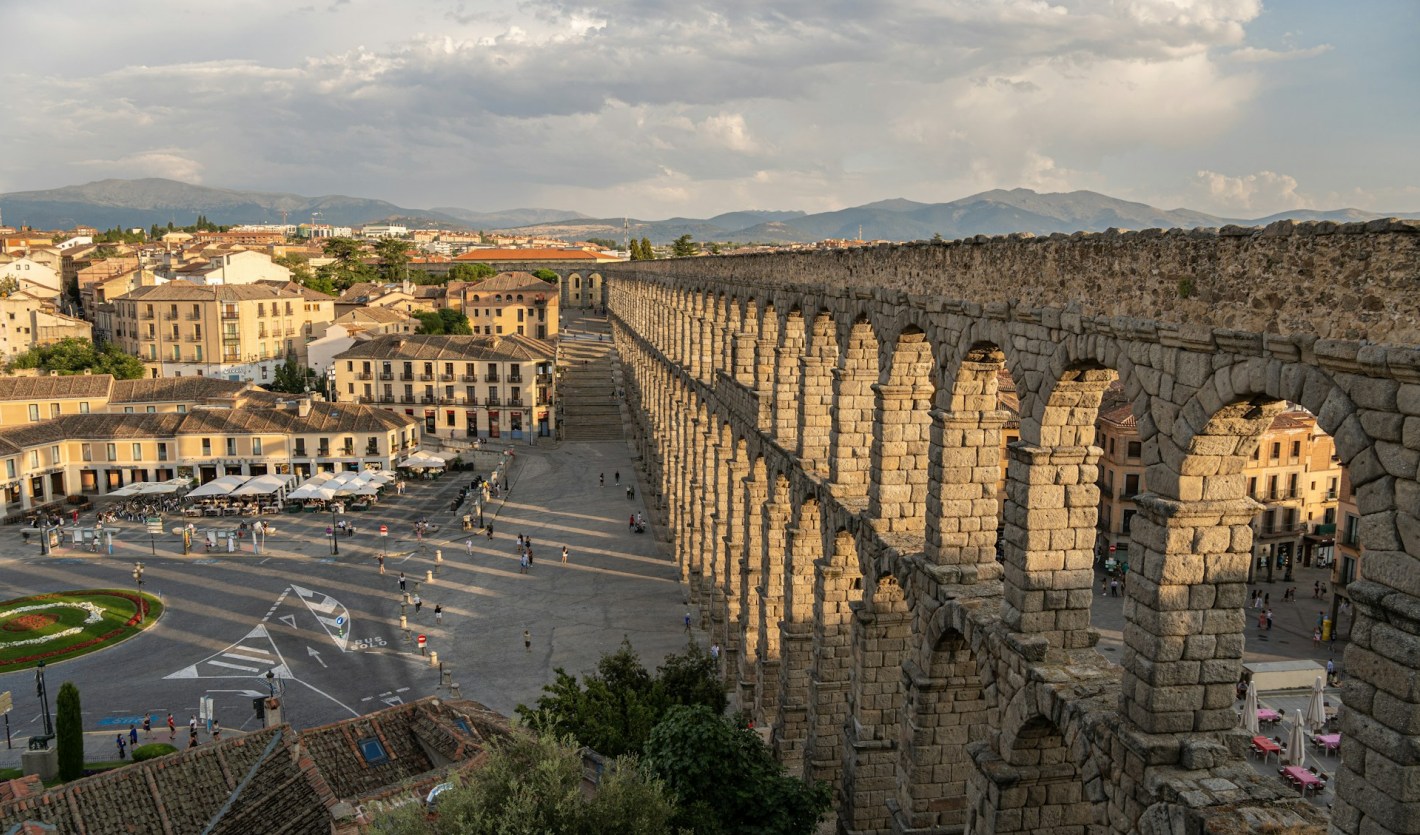
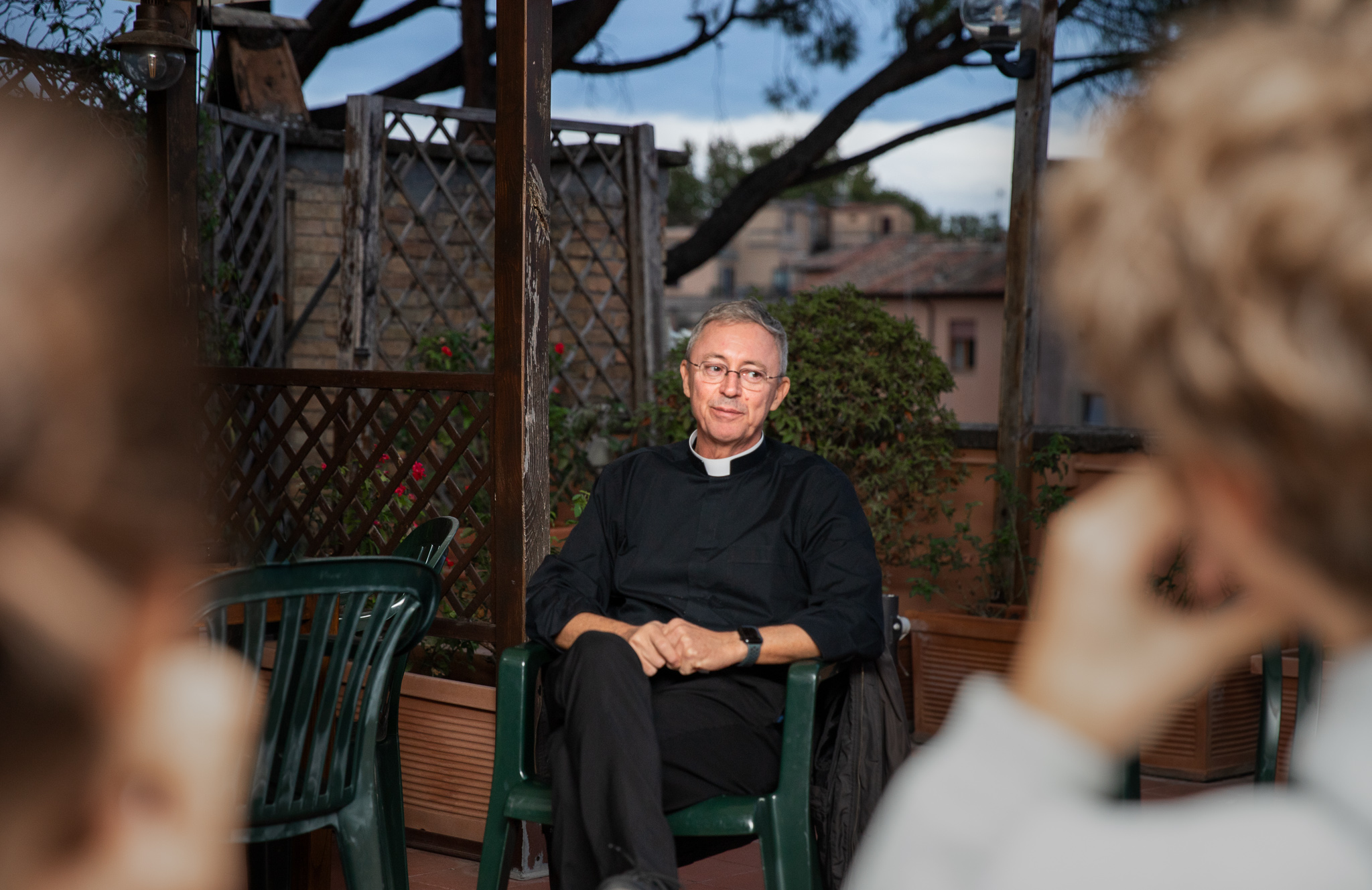
Between October 9–17, 2026, Professor Jens Koehler from JCU’s Department of Art History participated in the international congress Water at the Iberian Peninsula, organized by the Frontinus Society in Segovia, Spain, and Chaves, Portugal. The Frontinus Society is an organization promoting science, research, and education in the history of water, energy, and pipeline technology from ancient times to the beginning of the modern era. More than 50 scholars from 12 different countries presented their research projects on topics related to water installations in the Mediterranean area and in the Roman Empire.
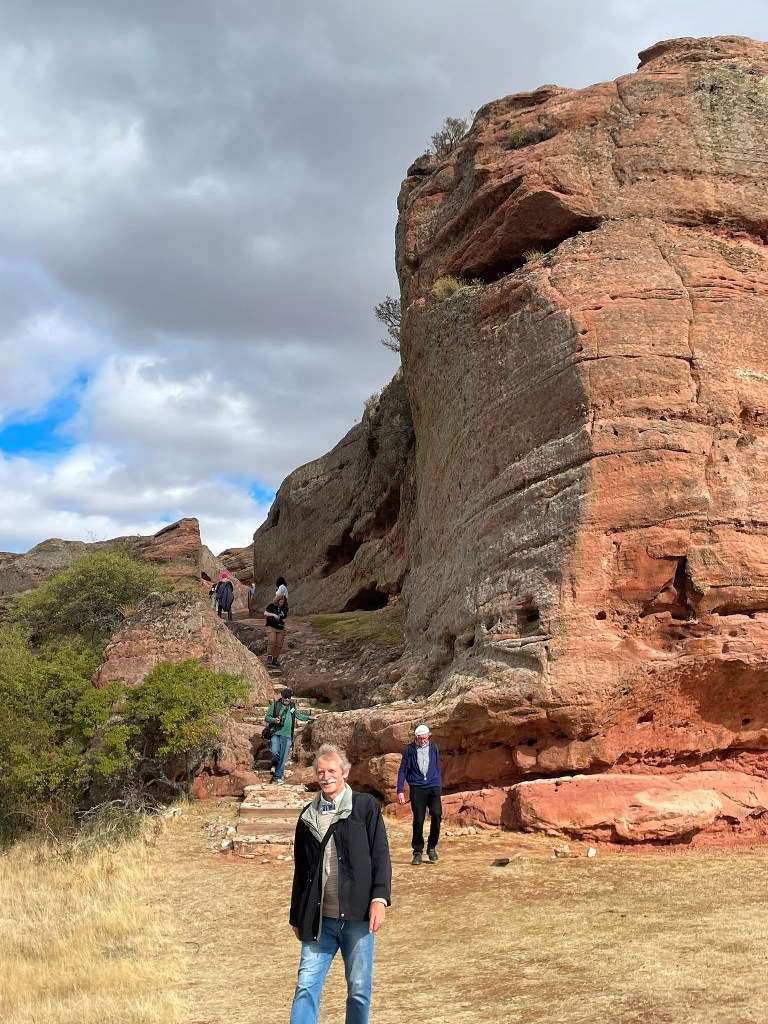
Professor Koehler in Tiermes
Professor Koehler contributed to the congress with a paper about the ancient Roman aqueduct Aqua Claudia. He analyzed the last miles of the aqueduct before it reached the city and explained its construction details. He also served as a chair during the congress section dedicated to the Eastern Roman provinces.
Professor Koehler was asked to present a conclusion at the end of the congress, addressing the society’s 50th anniversary. Besides lectures, the event’s program included visits to several archeological sites with relevant water monuments. In Spain, the aqueducts in Segovia, Tiermes, and Alcantarilla Dam in the province of Toledo. In Portugal thermal baths in Chaves, and the gold mines in Tresminas and Las Médulas.
Attending international congresses and academic conferences provides valuable opportunities for JCU faculty to exchange ideas, establish new professional connections, and stay up to date with the latest research. For Professor Koehler, participating in the Water at the Iberian Peninsula congress provided an opportunity to discover new examples and insights useful for his courses on ancient technology and bioarchaeology.
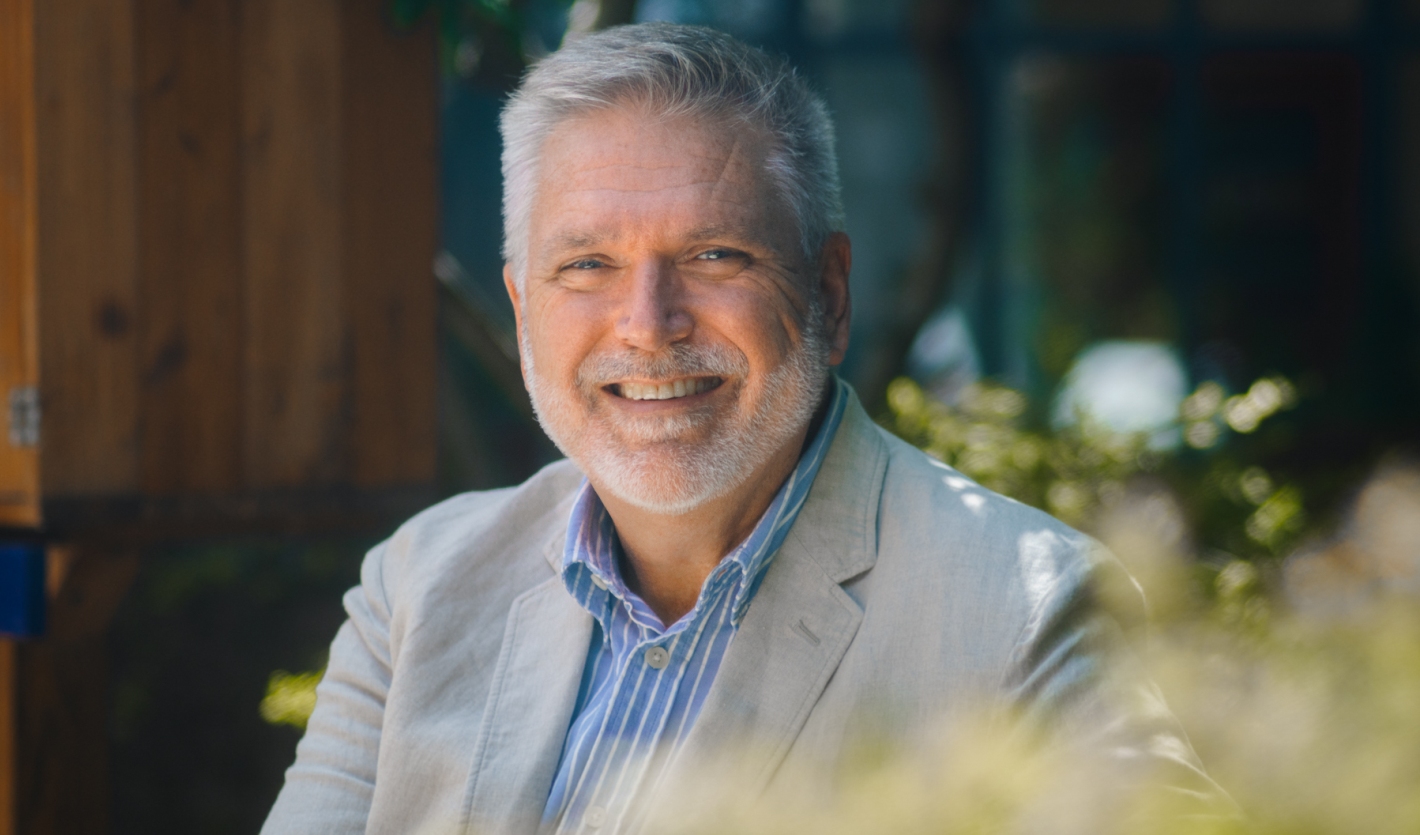
Professor Jens Koehler joined JCU in 2003. He earned his PhD at the University of Munich with a thesis on festivals and processions of the Hellenistic period. Currently, Professor Koehler investigates ancient hydraulic engineering. He completed a project on the water supply in Hadrian's villa at Tivoli, and he continues to work on aqueducts and latrines.