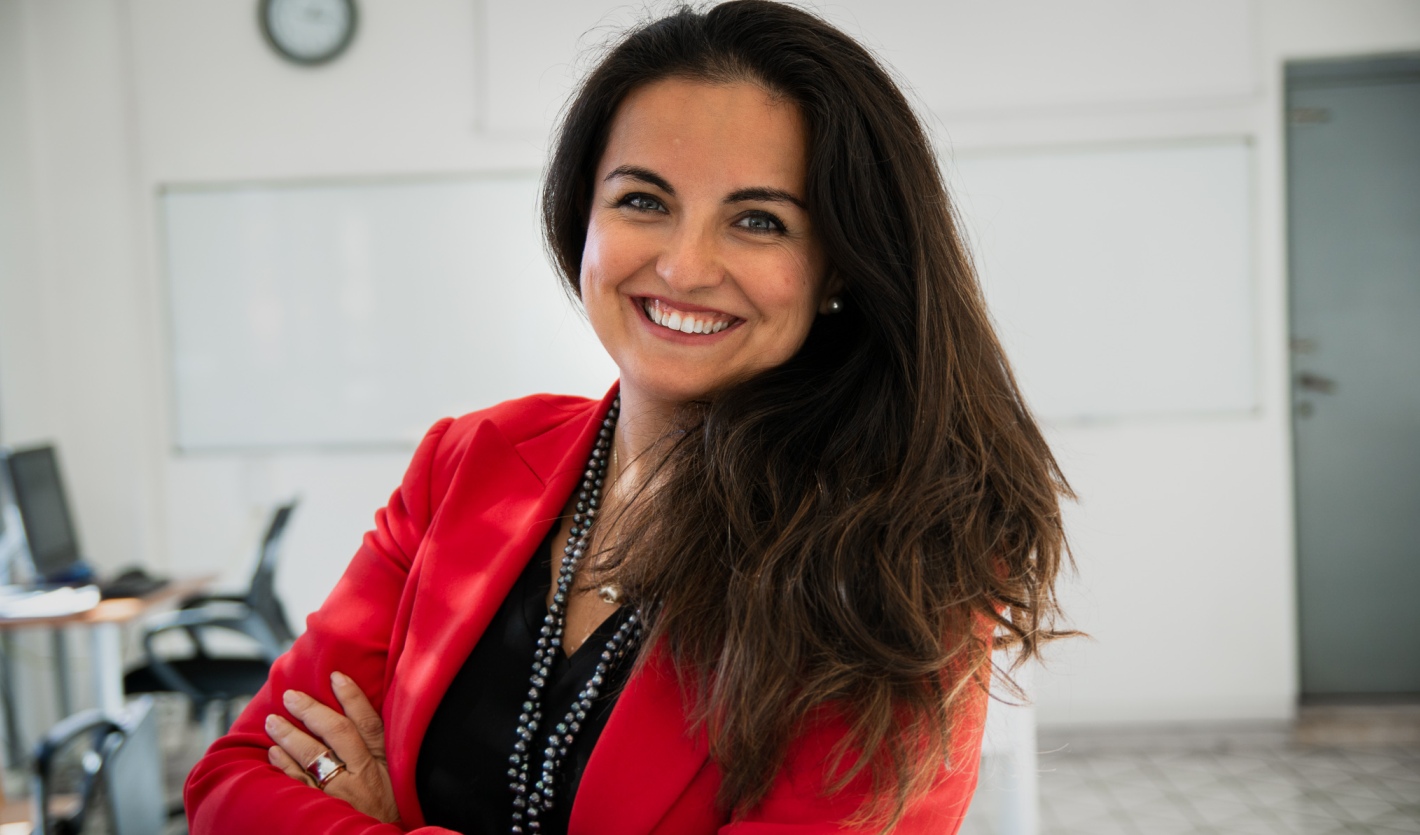
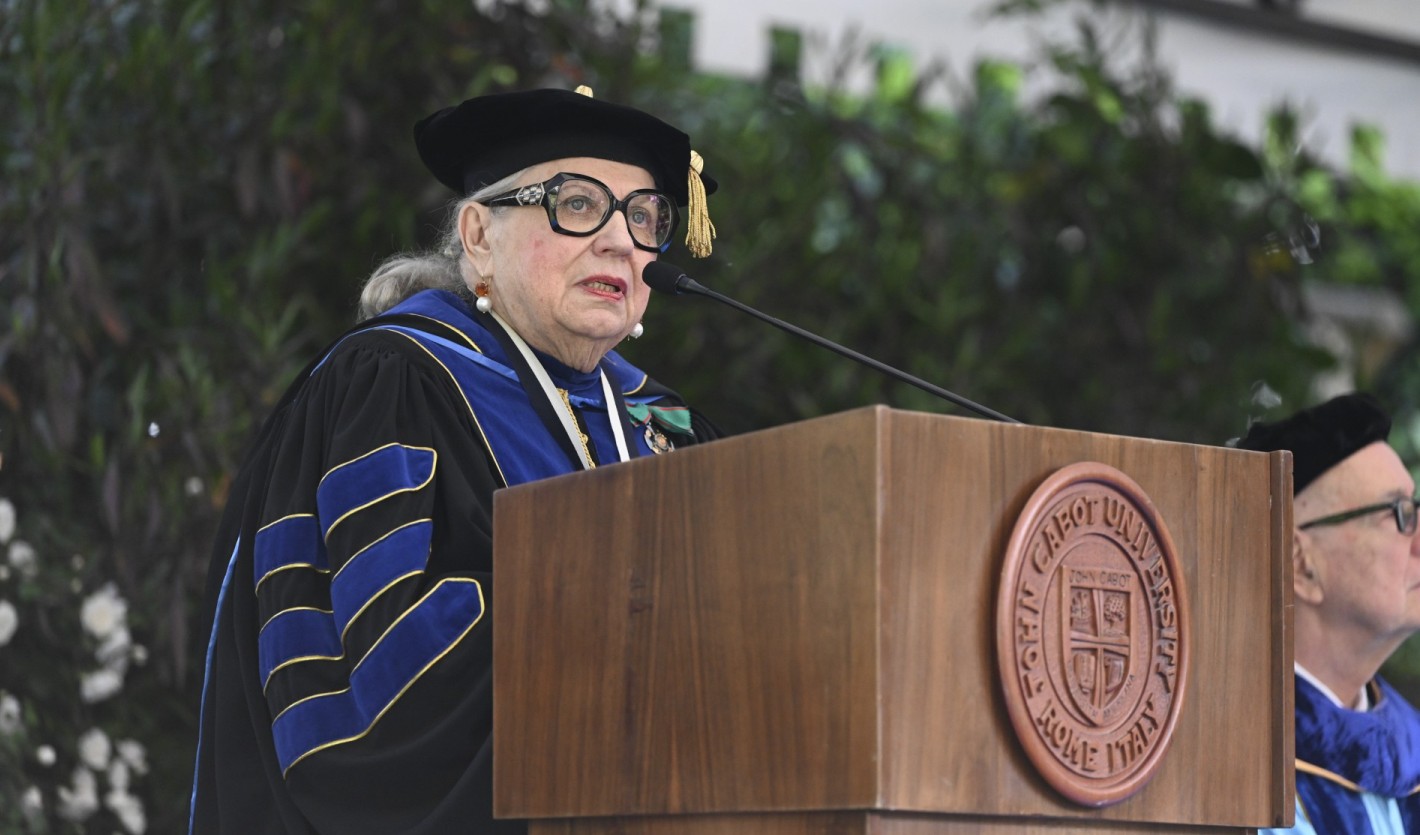
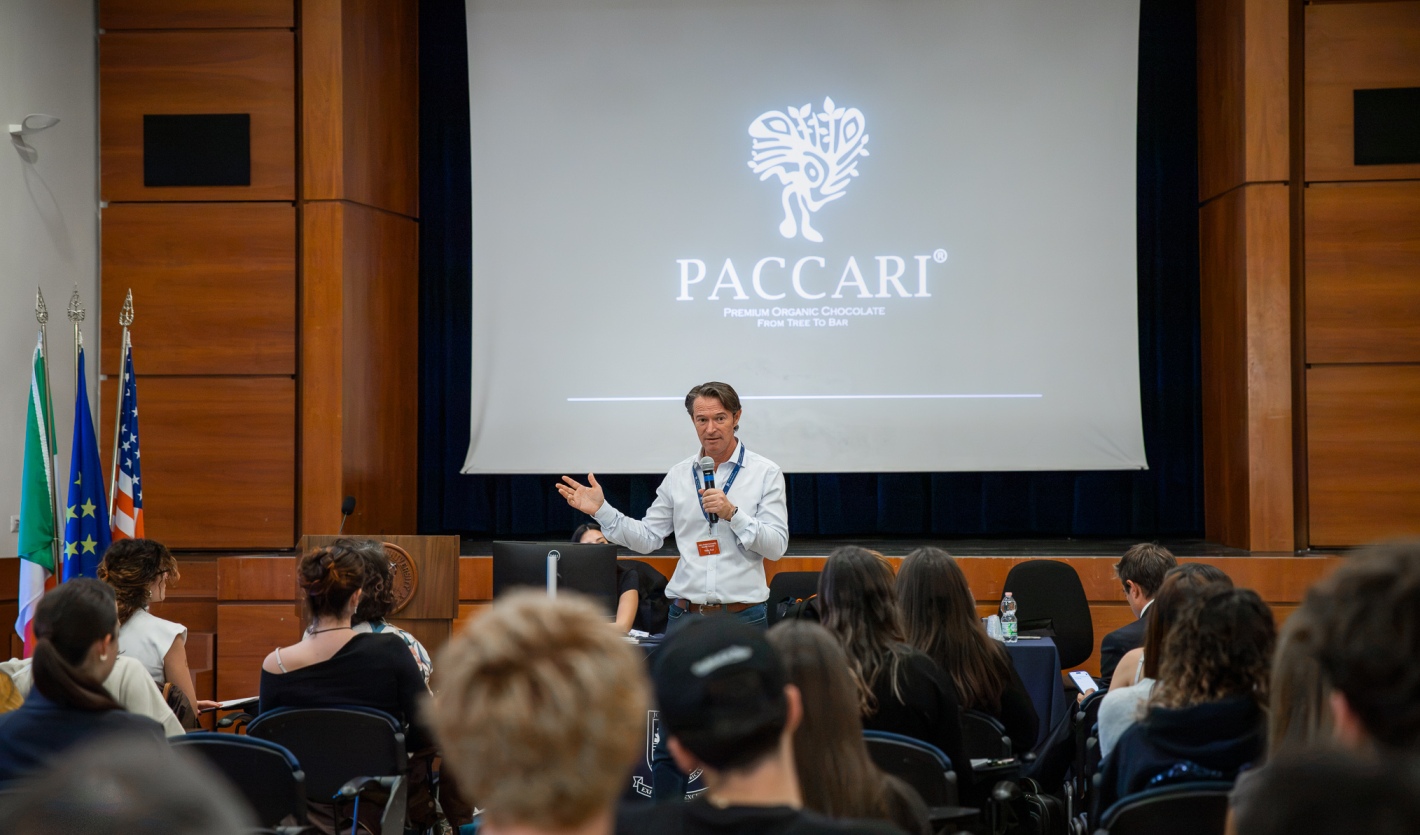
Originally from Bolivia, Pilar Murguia works as Associate Dean of Student Engagement at John Cabot University. With over 20 years of experience in Student Affairs, she is also involved in the National Association of Student Personnel Administrators (NASPA), where she fulfills the role of Director of the Global Division. October is recognized in the US as Careers in Student Affairs Month, celebrating the profession, recognizing the contributions of Student Affairs professionals, and inspiring others to join the field.
Tell us about NASPA and what your leadership role entails. What inspired you to get involved with NASPA's Global Division?
NASPA is a leading professional association for Student Affairs in higher education, bringing together professionals at every career stage to advance student success, learning, research, and leadership. Under President Dr. Amelia Parnell, its 2026-2029 strategic plan focuses on elevating the value of Student Affairs, strengthening career pathways and professional well-being, advancing advocacy and resources, enhancing the member experience, and promoting inclusive governance.
As Director of the Global Division, I lead an international advisory board of colleagues, whose strength lies in the different educational systems and cultural perspectives they bring. Our guiding direction for this term is "Moving from Intentionality to Implementation:" turning professional connections into meaningful outcomes for our members.
I had never planned a career in Student Affairs, but in March 2008, JCU sent me to my first NASPA Annual Conference in Boston. I met many Student Affairs professionals and I heard them describing themselves as the “unsung heroes” of higher education. That expression has stayed with me ever since. The journey that followed took me through the first cohort of the Master's in European Student Affairs, developed by EucA, LUMSA and NASPA, and later to chairing the NASPA International Symposium.
JCU has supported my professional development throughout. As an American university in Rome, it is a place where different cultures, educational expectations and student needs meet, and that has shaped how I lead and support my team. Leading the Global Division is my way of giving back to a community that has given me so much, and of opening the same doors for colleagues around the world.
What do you think is the biggest opportunity for NASPA to become more globally connected?
NASPA's greatest opportunity is to make international engagement more accessible and to sustain collaboration across regions. NASPA already offers extraordinary expertise through its regional networks, conferences, and publications. Yet for many professionals outside the United States, travel costs, visas, time zones, and limited budgets make conferences difficult. Knowledge exchange can take many forms: a virtual event, a research article, or an online connection between two colleagues in different countries; these can grow into new programs and partnerships.
As Director, I see every month how different, and how connected, our challenges are. In Middle East, North Africa and South Asia (MENASA), colleagues keep student programs running through a difficult geopolitical situation, often moving their work online. In Europe, the housing and cost-of-living crisis and rising mental health needs dominate the agenda. In China, a record 12.7 million graduates entered the job market this year as AI reshapes entry-level roles. In Latin America, retention and dropout remain central challenges, while in the United States colleagues are navigating rapid policy changes and a decline in new international students.
The contexts differ, but the threads are shared: well-being, belonging, employability, and the impact of AI. Mental health is a clear example. In many parts of the world, it still carries a stigma that shapes whether students seek help at all, so institutional responses must be designed with culture in mind. A program that works in one region must be reshaped around local realities to work in another, and that is where shared learning becomes powerful.
What would you like to see the Global Division achieve in the next few years?
My priority is to turn our international connections into real opportunities in four different areas. First, regional engagement: we are exploring professional development and strengthening our networks among colleagues from around the world. Second, closer collaboration with NASPA communities and international partners on the themes our members raise most: demonstrating the value of Student Affairs, mental health across cultures, AI and the human connection, and cultural intelligence in practice.
Third, international scholarship and research, a priority we are passionate about. We want to reach out to different higher education programs, support emerging scholars, and connect research more closely with practice. Our Global Division publication, produced every other year, is an ideal entry point for newer authors, so the Global Division helps create new knowledge, not only share existing practices.
Fourth, developing future global leaders through volunteer roles, mentoring, and collaborative projects. Smaller opportunities are important first steps, and building continuity means each new leadership team can build on the last rather than start from scratch. My hope is that a Student Affairs professional anywhere in the world can say, "NASPA is my professional home, too."
How has the Student Affairs profession evolved over the years?
In more than two decades in international higher education, I have seen three important developments. The first is the shift from providing services to creating intentional learning. It is no longer enough to count how many students attended a program; we need to understand what they learned. At JCU, this is central to how our Student Engagement programs are evolving. A student leading an organization is learning far more than event planning; it's communication, teamwork, problem-solving, and intercultural skills.
The second is the growing strategic importance of Student Affairs. Mental health, housing, financial difficulty, belonging and career uncertainty all affect academic success, which is why Student Affairs must be an active partner in institutional planning, alongside Academic Affairs.
The third is the international recognition and professionalization of the field, through associations, postgraduate programs, and research networks across regions. This has highlighted the importance of cultural intelligence. During a recent event, Wadad El-Housseini, NASPA's MENASA Area Director, emphasized that knowing about another culture is not enough; we must know how to apply that knowledge in different contexts. Artificial intelligence will test that adaptability, too. We must use it thoughtfully and ethically, because technology can improve our work but cannot replace the human connection at its heart.
What continues to motivate me is the impact on individual students. Some of my most rewarding moments come when former students return to JCU and share how an experience or a leadership opportunity changed their lives. Our systems may differ, but that commitment connects us across the world, and that, for me, is what NASPA represents.