This summary below reflects the substance of the discussion under the Chatham House Rule. No views or comments are attributed to individual participants, and the identities of those present are not disclosed.
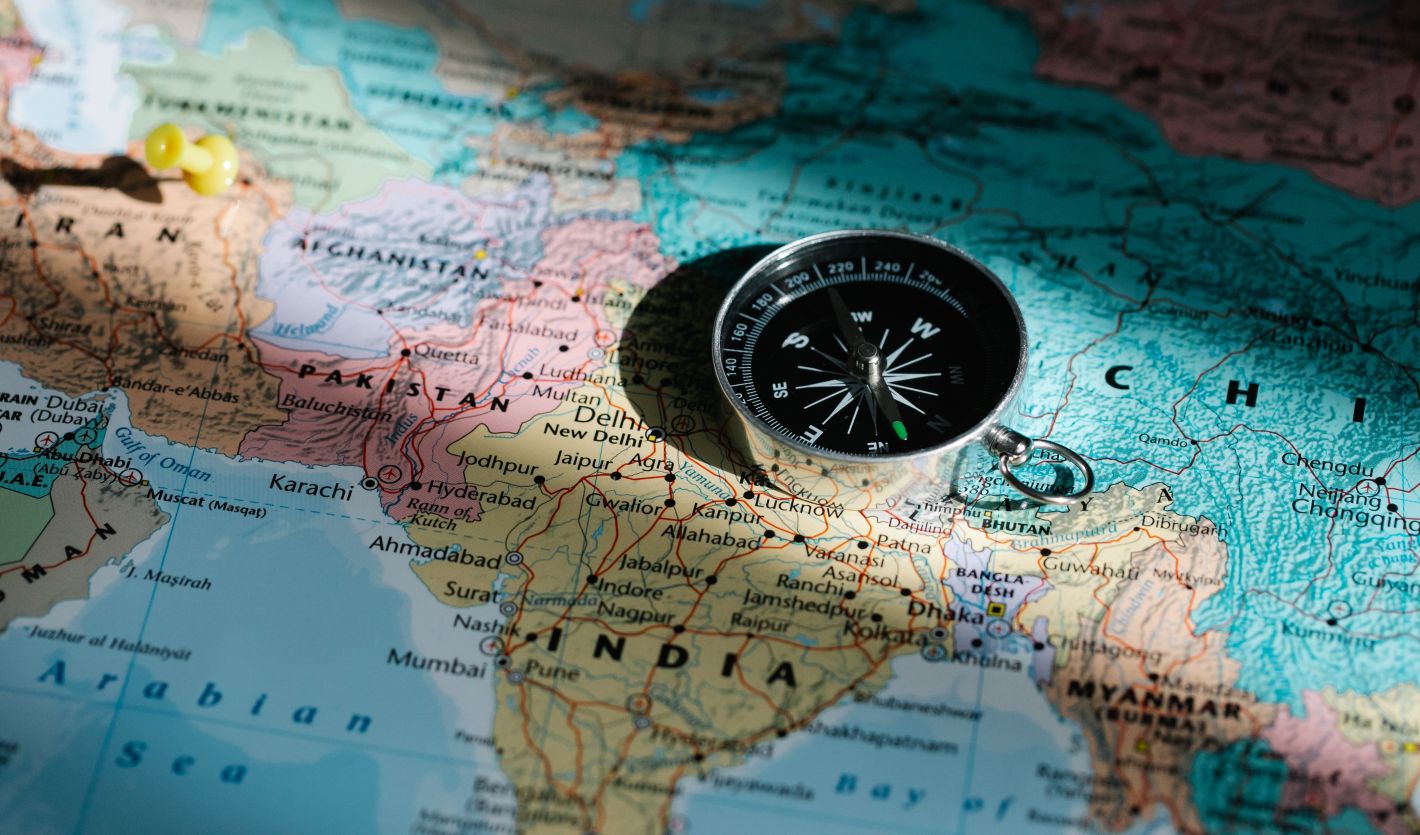
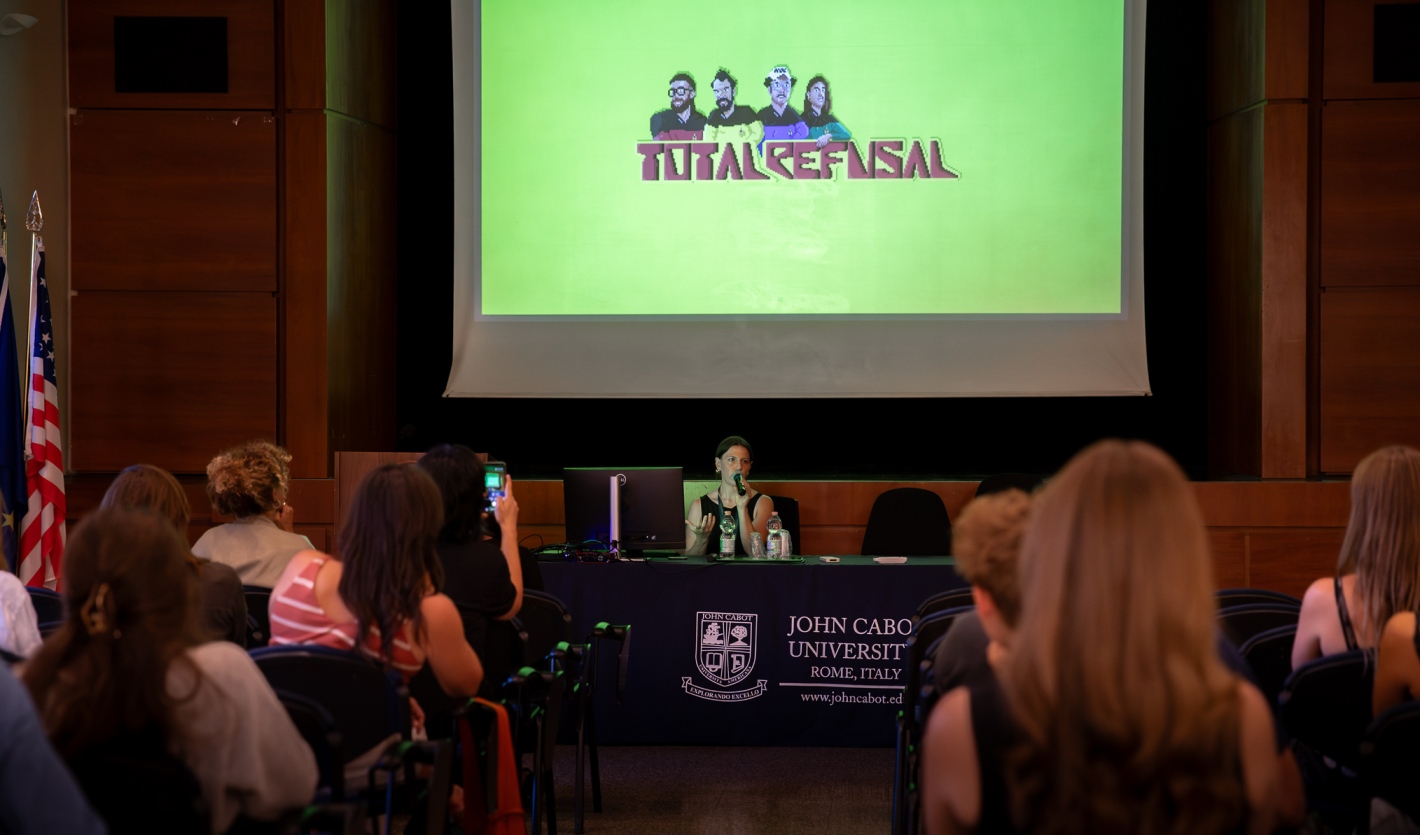
On September 16, 2026, the JCU Guarini Institute for Public Affairs convened a closed-door roundtable at John Cabot University to mark the upcoming 80th anniversary of diplomatic relations between Italy and India. The discussion brought together diplomats, officials, and scholars to look beyond the historical relationship between the two countries and identify an agenda for the years ahead.
Participants situated the bilateral relationship within its recent elevation to a Special Strategic Partnership, and discussed how that framework might be translated into deeper cooperation across trade, defense, connectivity, and people-to-people ties, in support of a larger commemorative initiative planned for 2027.
Economic and Trade Relations
Much of the discussion centered on the economic dimension of the relationship between Italy and India. Participants noted the joint target set by the two governments of raising annual bilateral trade to €20 billion by 2029 and discussed the role the forthcoming EU-India Free Trade Agreement is expected to play in reaching it. The agreement is moving toward signature before the end of 2026, with entry into force anticipated in/expected by 2027.
The conversation also touched on the asymmetry between Italian and Indian investment flows, the still-limited involvement of financial institutions in supporting bilateral commerce, and the continued presence of non-tariff barriers and regulatory divergence as obstacles to deeper integration. Industrial collaboration, particularly in sectors such as automotive components, semiconductors, and digitalization, was identified as an area of significant untapped potential.
Defense and Security Cooperation
Defense cooperation was described as a core and growing pillar of the relationship, spanning procurement, industrial partnerships, joint research and development, and personnel exchange. Participants noted that naval visits and training exchanges already take place between the two countries, even as a framework for regular joint military exercises has yet to be established.
The discussion also addressed India's broader effort to diversify its defense procurement and expand domestic production, and the importance of maritime security given both countries' strategic locations along major trade routes. Ongoing discussions on information-sharing and intelligence cooperation were raised as a further avenue for deepening the security relationship.
Cultural Diplomacy and Human Mobility
Participants placed emphasis on cultural diplomacy and people-to-people exchange as a foundation for economic and strategic cooperation. Suggestions included expanding academic exchange programs, internships, and language instruction to facilitate greater mobility between the two countries.
The discussion also addressed the treatment of the Indian diaspora in Italy, including the need for continued attention to labor conditions, and welcomed planned efforts to strengthen inspection and enforcement in this area. The upcoming year dedicated by Italy and India to cultural tourism was cited as an opportunity to build broader public engagement with the relationship beyond policy and business circles.
Strategic and Geopolitical Context
The roundtable situated Italy-India relations within a wider strategic context, including Italy's developing Indo-Pacific strategy and India's role as a priority partner within it, as well as the India-Middle East-Europe Economic Corridor as a connective framework linking trade, energy, and digital infrastructure across the two regions.
Participants discussed the impact of instability in the Middle East and assertive posturing by China on the calculations of both countries, while noting that India's foreign policy continues to be defined by an approach of strategic autonomy and engagement across multiple global partners rather than formal alignment. The possibility of closer coordination between India and other like-minded democracies was raised as one of several open questions for the years ahead.
Toward 2027
Participants agreed that translating the current momentum into durable outcomes will require a whole-of-society approach, extending beyond government to include universities, research institutions, and the business community. The roundtable was framed explicitly as a preparatory step toward a larger event the Guarini Institute for Public Affairs intends to organize at John Cabot University in 2027, marking the 80th anniversary of diplomatic relations between Italy and India. The discussion closed with broad agreement that the coming year should be used to move from planning to concrete action across the areas addressed.