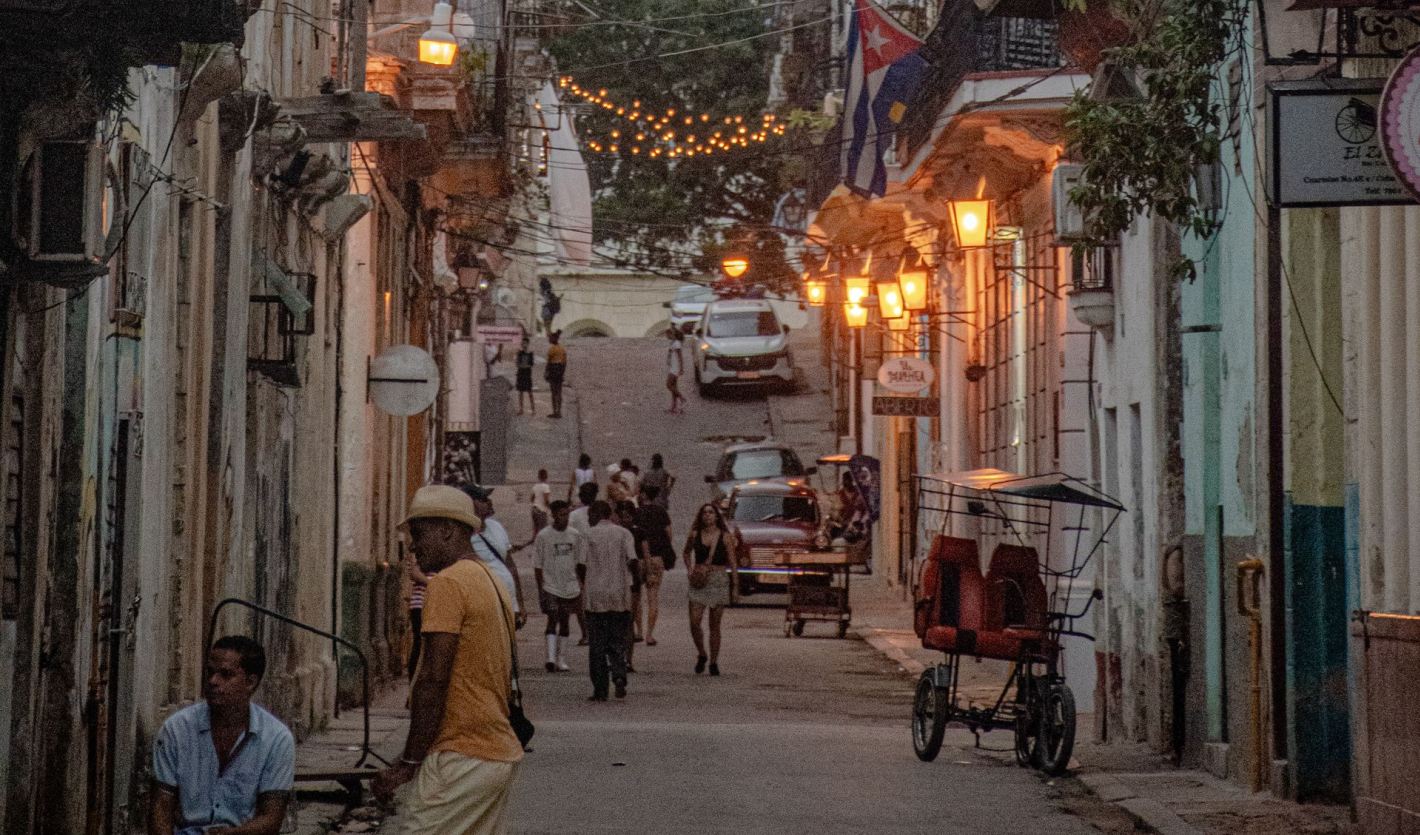
Cinematic nightscapes explores how the darkness of night in contemporary Cuba becomes a powerful site for political expression, cultural imagination and artistic experimentation. As the rhythms of the day give way to night, a different Cuba emerges, one where protests take shape, marginalized voices reclaim space, and filmmakers reimagine ethnographic and documentary storytelling. This book offers a sensorial and creative journey through Cuban documentary films that engage with the night not just as backdrop, but as a central character, shaping emotions, aesthetics, and socio-political discourse.
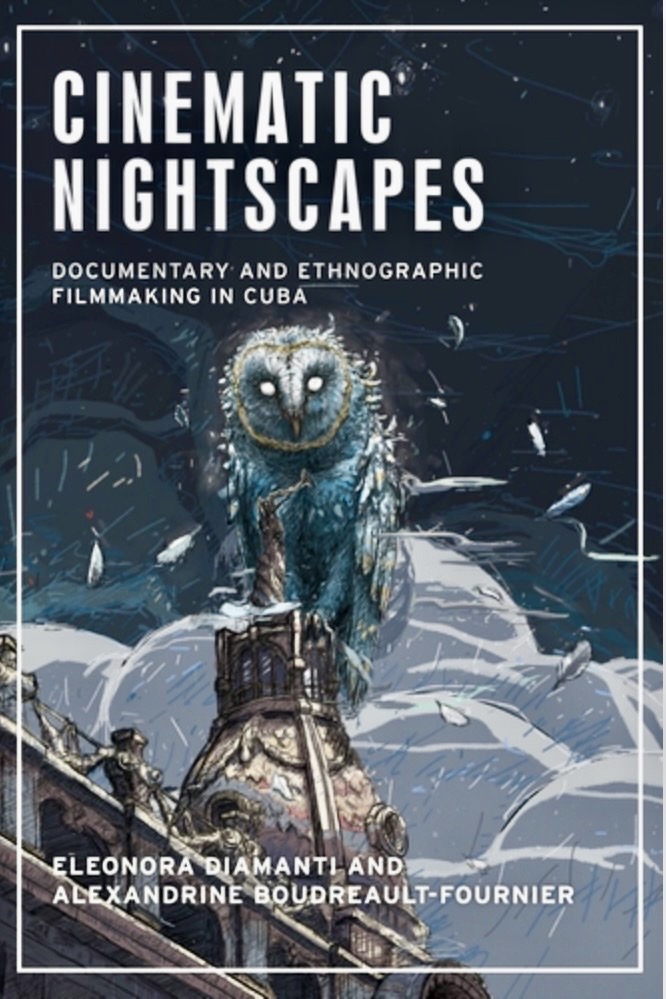
Book cover for Cinematic Nightscapes
Blending theory with rich visual analysis, Cinematic Nightscapes asks: How does the night alter ethnographic practice? How do Cuban filmmakers use the night to imagine new futures? Through a reflexive, multimodal approach, the book invites readers to experience the complexities of nocturnal life in Cuba, where darkness illuminates new possibilities.
As stated in the interview for Manchester University Press blog: “Our book appeared during one of the darkest periods in contemporary Cuban history. Darkness and blackouts have become a recurring nationwide reality, as Cubans grapple with a profound economic, energy, and humanitarian crisis. We like to think of this book as an act of solidarity and proximity with the work that Cuban filmmakers have carried out over many years to portray the everyday conditions of living, imagining, resisting, protesting, and creating under dire circumstances.”
According to Dr. Will Straw, James McGill Emeritus Professor of Urban Media Studies, McGill University, “Cinematic nightscapes is a rich, absorbing study of many things, from the place of night across the history of Cuban cinema through the politics of darkness in desperate times. The authors’ reflection on their own film practice flows across a series of fascinating encounters with people, places, and the ethical challenges of ethnographic research. This is a major contribution to scholarship on Cuban cinema and the emerging field of night studies.”
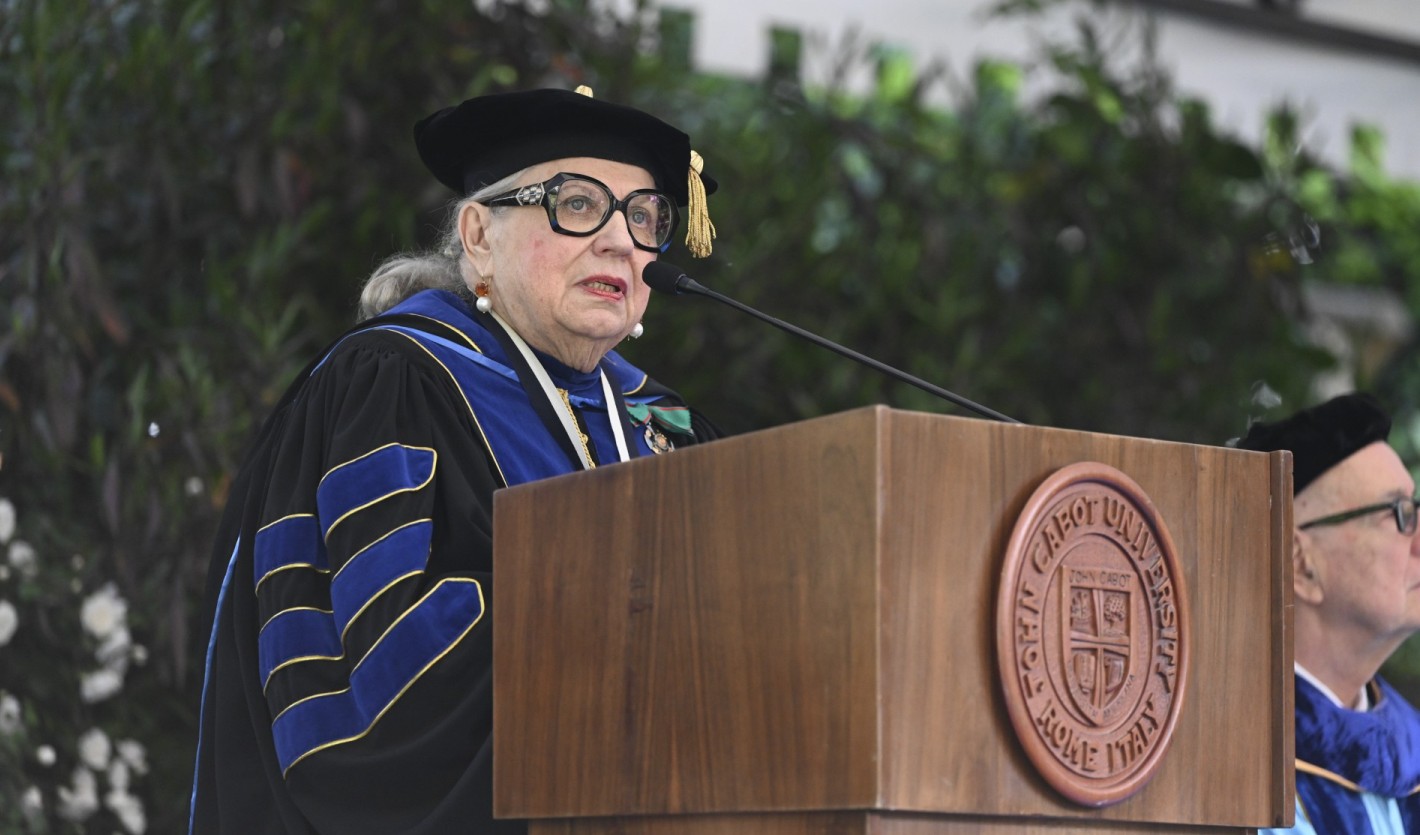
Professor Diamanti’s research interests lie at the intersection of media studies, urban studies, and feminist theory. She recently edited a special issue of the peer-reviewed journal Ethnologies, titled “Nocturnal Ethnographies: Aesthetics and Imaginaries of the Night.” She also edited a peer-reviewed issue of “Mediapolis: A Journal of Cities and Culture” showcasing student work from her Urban Media course.
Given her special interest in alternative modes of undertaking and disseminating academic research, Professor Diamanti has participated in research-creation projects in Canada, Italy, and Cuba, involving audiovisual production, performance, and activist work. She co-directed “Guardians of the Night” (2018) an experimental short-length ethnographic film on nighttime activities in Guantanamo (Cuba). She has also been part of Emidio di Treviri, an independent/activist research group working on the reconstruction process in Central Italy after the earthquake of 2016-2017. With the group, she co-directed the short-length documentary “After the Earthquake” (2017) on material culture and loss, as well as participated in the research for the feature-length documentary Le terre di tutti (2019) on collective practices of inhabiting rural areas and conceiving the “commons."
As a long-term member of the International Night Studies Network, she co-leads the axis on Media and the Night and she recently co-founded the Urban Media Research Group.
Cinematic Nightscapes is partially available in open access from Manchesterhive.