Euro-Transhumanism: What is the Relevance of our Cultural Roots for a Flourishing Future?
On April 11, 2026, JCU hosted the 15th edition of the Posthuman Studies Workshop, titled “Euro-Transhumanism: What is the Relevance of our Cultural Roots for a Flourishing Future?” It brought together leading contemporary artists, composers, and intellectuals for an interdisciplinary exploration of humanity’s future in light of rapid technological change. The event centered on the philosophical framework developed in Professor Stefan Lorenz Sorgner’s forthcoming monograph Euro-Transhumanism, which served as a common reference point throughout the discussion.
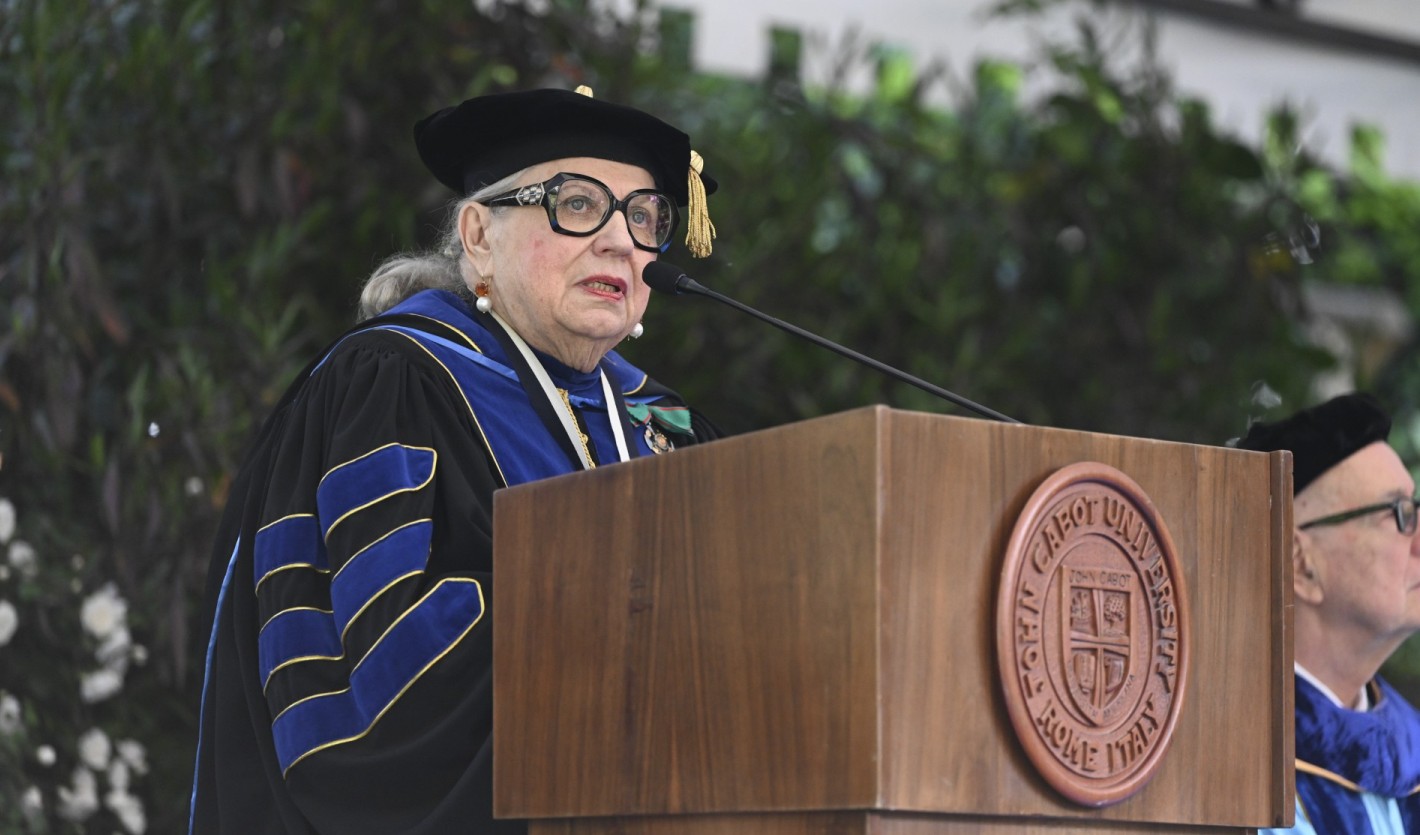
The workshop was sponsored by President Franco Pavoncello, as well as by the Department of History and Humanities. Since Professor Sorgner joined JCU in 2016, President Pavoncello has consistently supported the development of posthuman studies at the university. This institutional commitment is further reflected in the 2017 launch of the Journal of Posthuman Studies (Penn State University Press) at the Beyond Humanism Conference hosted at JCU, as well as in the university’s ongoing role as an academic partner of the journal.
John Cabot University proved to be a fitting venue for this international gathering. As an American university located in the historic center of Rome, it embodies a unique intersection of cultural traditions, bridging European heritage with transatlantic academic perspectives. This setting reinforced the workshop’s central theme: the importance of engaging technological innovation through diverse cultural and intellectual lenses.
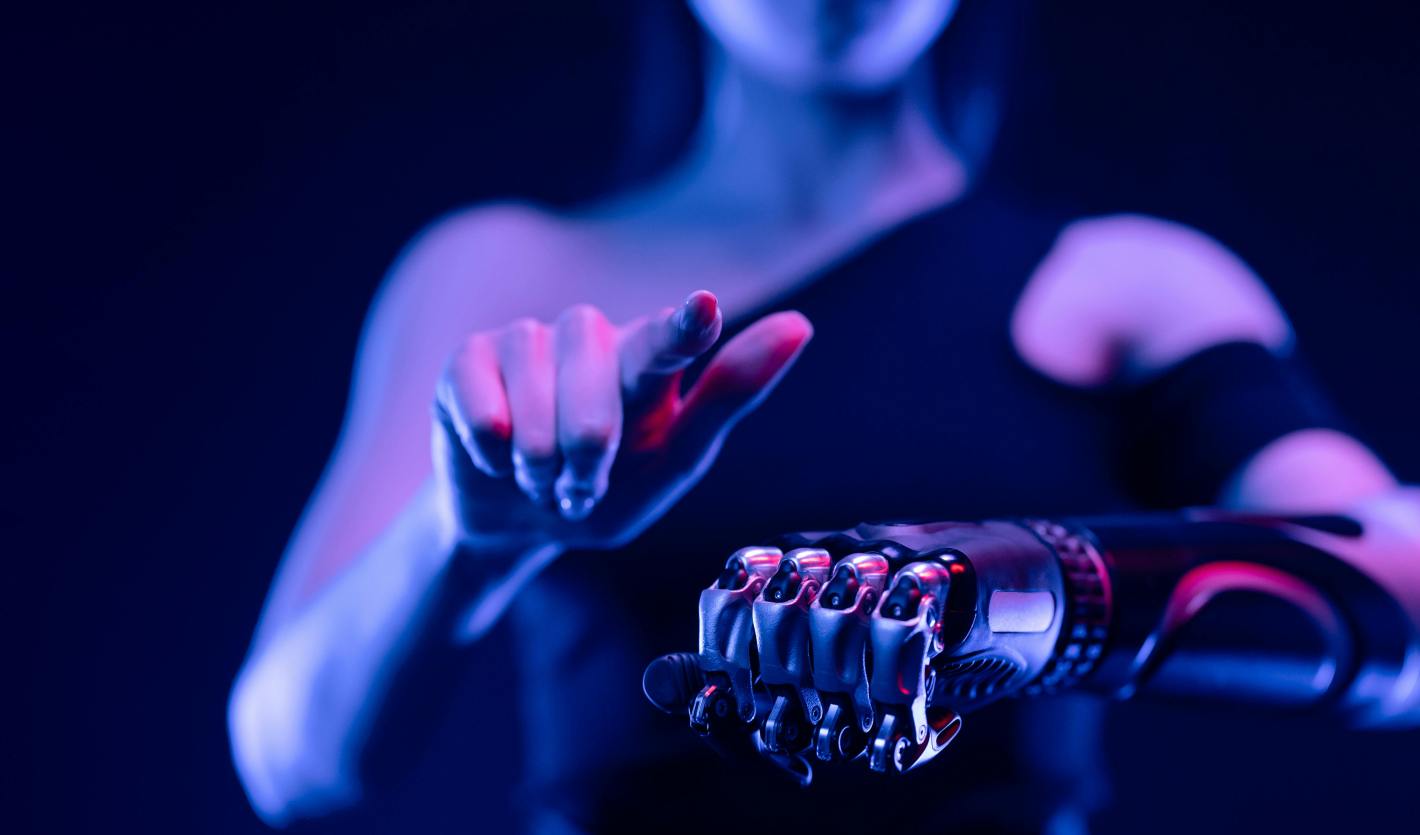
The workshop positioned Euro-Transhumanism as a distinctively European contribution to ongoing debates about human enhancement, artificial intelligence, and posthuman identity. Rather than embracing purely technocentric or utopian narratives, speakers emphasized the importance of cultural traditions, ethical reflection, and artistic practice in shaping meaningful futures.
A major point of the workshop was the role of the arts in engaging with technological change. Renowned artist Eduardo Kac, a pioneer of Bioart, presented his work at the intersection of biology, technology, and communication, including his recent space-based artistic projects. His reflections illustrate how artistic experimentation can expand our understanding of life and human existence beyond terrestrial and traditional boundaries.
Matthias Röder, former director of the Karajan Institute in Salzburg, Austria, addressed the transformative impact of artificial intelligence on music. Drawing on his involvement in the AI-assisted completion of Beethoven’s 10th Symphony, he explored how new technologies challenge established concepts of authorship and creativity while opening unprecedented possibilities for collaboration between humans and machines.
Opera directors Alexandra Szemerdy and Magdolna Parditka contributed to the workshop with their compelling perspective on the world of contemporary performance. Their innovative reinterpretations of Richard Wagner’s operas demonstrate how classical repertoire can be reimagined through transhumanist aesthetics. By integrating cutting-edge technologies into operatic staging, they showed how tradition can serve as a foundation for radical artistic innovation rather than a constraint.
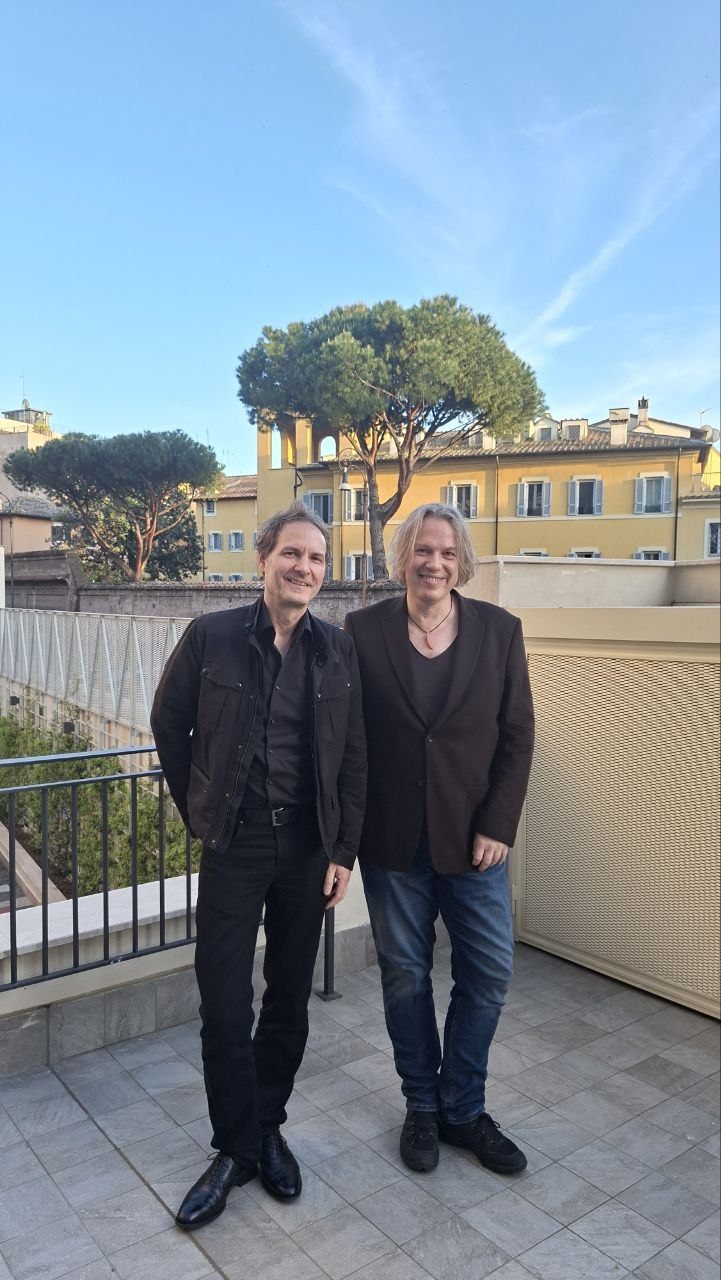
From left: Sven Helbig, Stefan Lorenz Sorgner
The workshop also engaged deeply with religious, mythological, and ethical questions. Contributions in this section emphasized that technological progress does not eliminate existential concerns but instead reframes them. Discussions addressed themes such as human dignity, moral responsibility, and the continued relevance of myth in interpreting technological transformation. These perspectives reinforced the importance of philosophical and cultural analysis in guiding innovation.
Student presentations further enriched the program by offering emerging viewpoints on artificial intelligence, digital identity, and future social structures. Their interdisciplinary approaches reflected the growing significance of posthuman studies for a new generation of thinkers.
The event concluded with a dialogue between composer Sven Helbig and Stefan Lorenz Sorgner. This exchange provided a reflective synthesis of the workshop’s central themes. Helbig emphasized the irreducibly human dimensions of artistic creation, highlighting emotion, memory, and cultural depth as elements that resist full technological replication. Sorgner, in turn, situated these insights within the broader philosophical framework of Euro-Transhumanism, arguing that technology should be understood as an extension of human evolution that can expand, rather than diminish, creative possibilities.
Their conversation underscored a key message shared across the event: the future of humanity will not be determined by technology alone, but by the ways in which it is shaped through culture, philosophy, and the arts. Bringing together leading voices from multiple disciplines, the workshop demonstrated the value of dialogue in navigating the complex relationship between innovation and human identity, and reaffirmed the importance of a pluralistic, culturally grounded vision of the future.